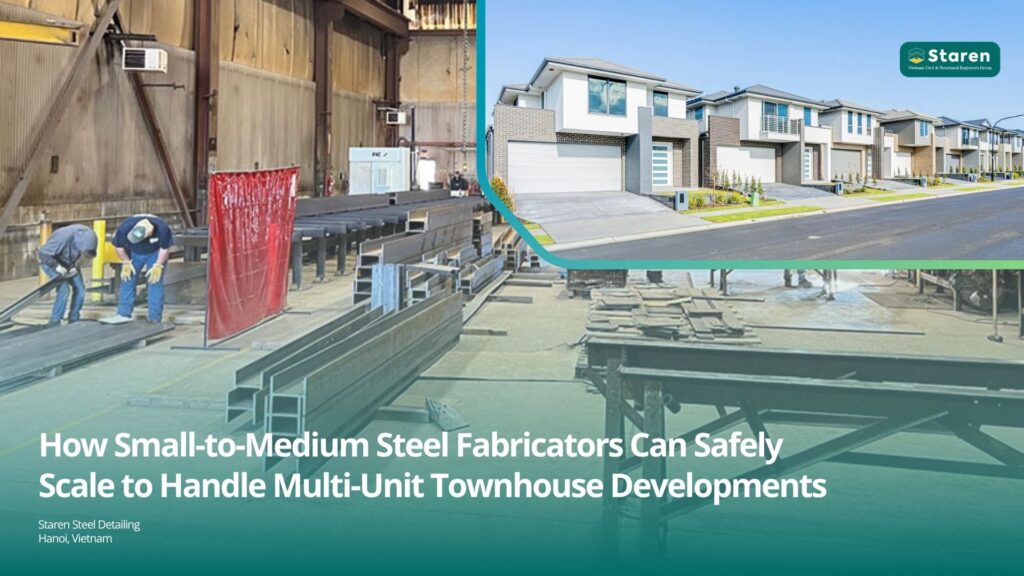
For small-to-medium enterprise (SME) steel fabricators, the booming multi-unit townhouse and medium-density residential sector represents a massive financial opportunity. Moving away from one-off custom house jobs and securing contracts for 10, 20, or 50-unit developments means predictable revenue, stronger purchasing power with steel merchants, and faster business growth.
However, scaling a workshop to handle multi-residential developments isn’t as simple as just buying more steel or bidding on bigger tenders.
If you scale too fast without the proper structural backend, multi-unit projects can quickly paralyze your business. A single detailing bottleneck or a cascade of on-site tolerance errors across dozens of units can destroy your cash flow and ruin your reputation with tier-2 builders.
So, how do you safely scale your fabrication shop without drowning in overhead or taking on unmanageable operational risks? Here is your strategic blueprint.
The Scaling Trap: Why Traditional Expansion Fails SME Fabricators
When a workshop wins its first major multi-unit contract, the instinctive reaction is to hire more local staff—more boilermakers, more estimators, and more in-house draftsmen.
This is a dangerous trap for medium-sized businesses for three reasons:
- Sky-High Fixed Overheads: Hiring full-time, skilled structural draftsmen and detailers in Australia is an expensive, permanent financial burden.
- The “Boom and Bust” Cycle: Multi-unit projects have volatile timelines. If a builder faces council or weather delays, your shop floor goes quiet, but your payroll remains identical.
- Management Bottlenecks: Managing an expanded in-house team takes your focus away from what you do best: high-quality fabrication, welding compliance, and client relationships.
To scale safely, you need a business model that converts fixed overheads into variable costs. You need your capacity to expand when you win a project, and contract when you finish it.
The 3 Pillars of Safely Scaling for Multi-Residential Projects
1. Master the Art of Hybrid Detailing (Heavy Structural + LGS)
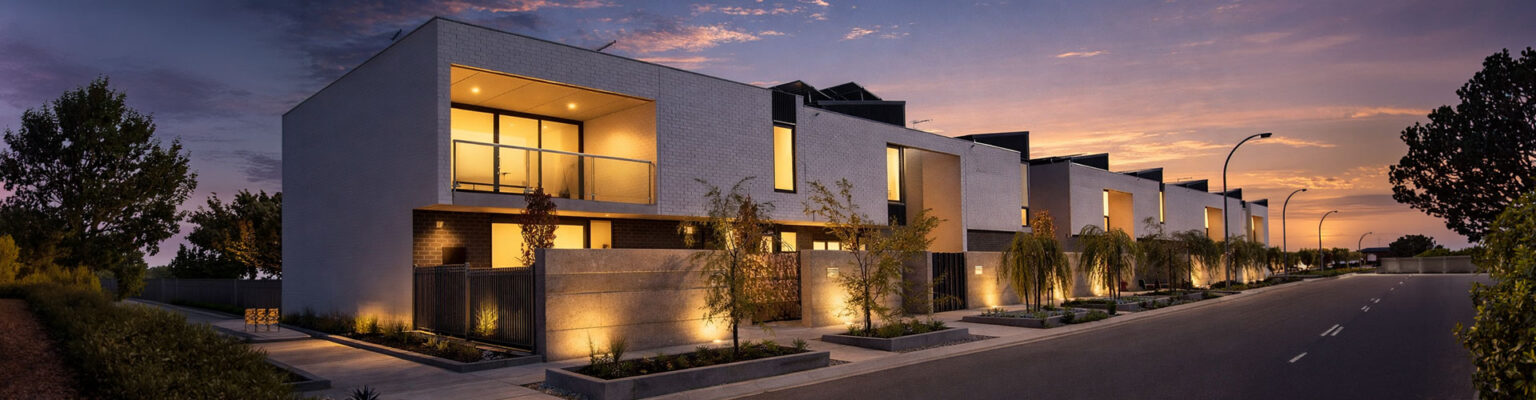
Multi-unit townhouses rarely use heavy structural steel alone. They are almost always hybrid structures combining structural steel portal frames (for garages and wide open-plan living bases) with Light Gauge Steel (LGS) or traditional timber framing for upper levels.
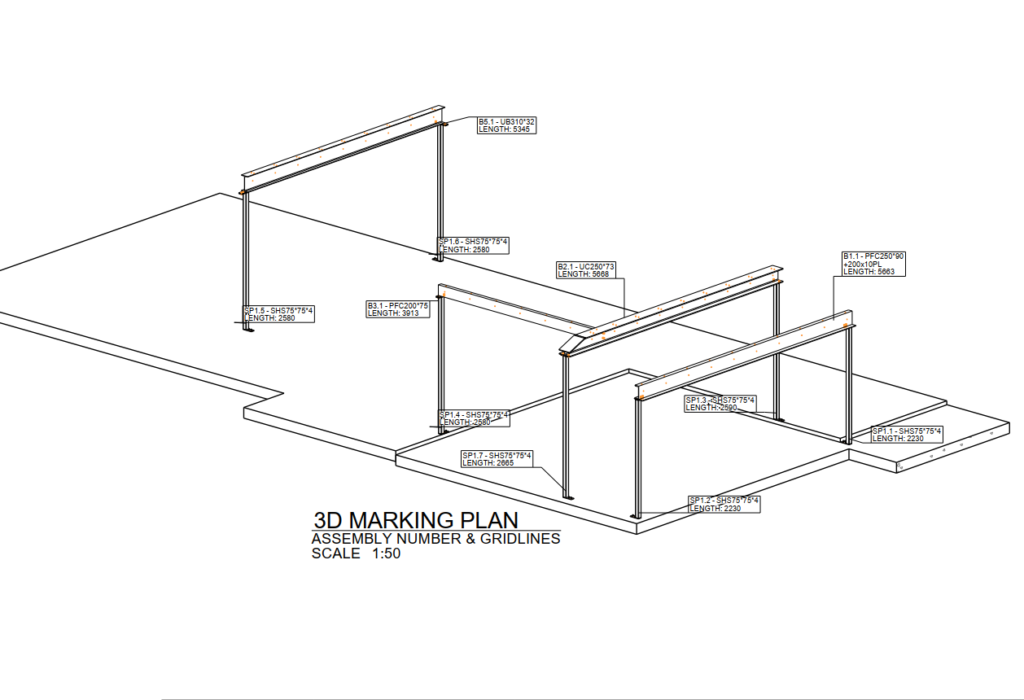
To handle these jobs safely, your detailing phase must be flawless. Your shop drawings must map out every connection point, bolt clearance, and service penetration where the heavy steel meets the lightweight panels. If your detailer doesn’t digitally stress-test these material transitions in a 3D BIM model, your site crew will spend thousands of dollars on field-rectifications.
2. Standardize Shop Floor Workflows with Smart Data
Multi-unit developments thrive on repetition. If a development consists of 15 identical townhouses, your shop floor shouldn’t be reading 15 different unorganized drawing sheets.
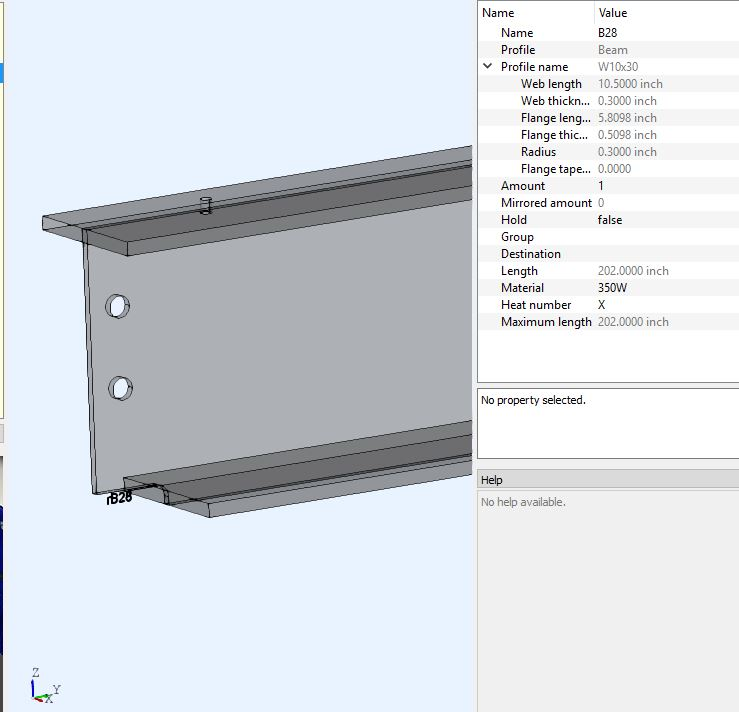
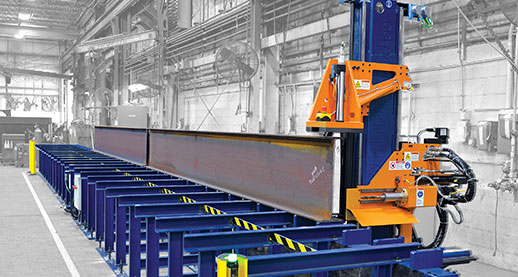
Ensure your detailing process generates automated NC/DSTV data files that load directly into your CNC plasma cutters or band saws. By automating your material takeoffs and cutting lists, you drastically accelerate your workshop’s processing times while eliminating human measurement errors.
3. Outsource Technical Drafting to Expand Capacity On-Demand
The safest way to scale a steel fabrication business is to keep your workshop lean and outsource your technical backend—specifically structural steel detailing and shop drawings.
By partnering with a dedicated offshore detailing firm that specializes in Australian building standards, you instantly gain the capacity of a tier-1 fabrication company without the multi-million dollar overhead.
Scale Smart and Win Bigger Tenders with Staren Group
At Staren Group, we act as the scalable technical engine behind successful small-to-medium steel fabricators across Australia. Headquartered in the fast-growing technology hub of Hanoi, Vietnam, we provide high-precision, elite-tier structural steel and LGS detailing services tailored specifically for multi-unit residential developments.
How Staren Group De-Risks Your Expansion:
- Unlimited Drafting Bandwidth: Whether you are tackling a 5-unit boutique build or a massive 60-unit townhouse project, our team scales to meet your exact delivery schedule.
- Strict AS/NZS Code Compliance: We deliver pristine, fabrication-ready drawings fully compliant with AS 4100 and AS/NZS 5131 (CC1 & CC2 requirements).
- Advanced 3D BIM Coordination: Utilizing Tekla Structures, Revit, and Autodesk Advance Steel, we detect framing clashes digitally before fabrication begins, completely protecting your profit margins from on-site reworks.
- Aggressive Cost Advantage: Lower your backend detailing costs, reduce your overhead risks during market slowdowns, and submit highly competitive project bids that win contracts over your rivals.
Don’t let a lack of internal capacity stop you from bidding on the next lucrative multi-unit development. Let Staren Group handle the precision steel detailing while you focus on scaling your workshop floor.